China
Where dynastic history converges with the dawn of a technological future.
China, officially the People's Republic of China, commands East Asia not just by scale, but by sheer endurance. It is a land where history isn't merely archived—it is lived daily. As the world's second-most populous nation and third-largest by land area, it straddles a razor-thin line between ancient ritual and hyper-modern ambition. From the dust of the old Silk Road to the glow of Shenzhen’s server farms, China influences global economics, culture, and geopolitics with a weight that shifts tides.
- Capital
- Beijing
- Region
- Eastern Asia
- Languages
- Chinese
- Currency
- Chinese yuan
- Area
- 9,706,961 km²
- Largest City
- Shanghai
- Official Language
- Mandarin Chinese
- Government Type
- Socialist Republic
- Major River Systems
- Yellow River, Yangtze River
Lore & Background
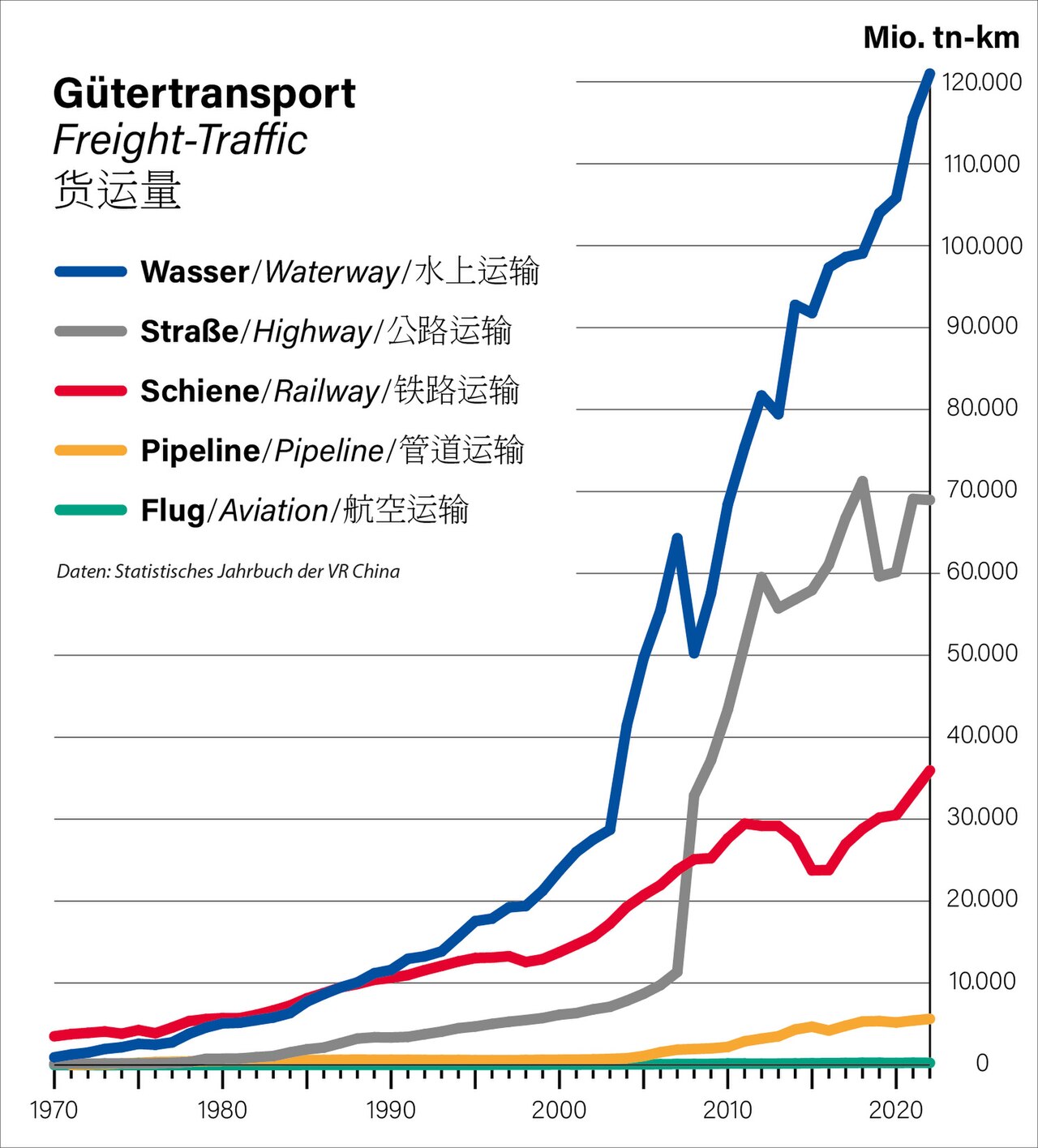
Born from the silt of the Yellow and Yangtze rivers, China’s story is defined by unbroken continuity rarely seen elsewhere. Imperial dynasties rose and fell under the Mandate of Heaven, binding rule to moral virtue while scholars codified Confucianism, Taoism, and Buddhism into the national fabric. This era gifted the world paper, gunpowder, printing, and the compass—tools that rewrote human capability. Yet, the path wasn't smooth; centuries of internal fracture gave way to a radical reinvention in 1949 with the People's Republic. What followed was a dramatic pivot from centralized planning to 'Reform and Opening Up,' unleashing an economic surge that reshaped global supply chains. Today, China walks a tightrope, preserving deep cultural roots while leading the charge in renewable energy and digital infrastructure.
In Their Own Story
The morning mist clung to the stone steps of the Forbidden City, muffling the sounds of the bustling capital beyond. An elderly calligrapher dipped his brush into black ink, the scent of pine soot rising to meet the cool air. Outside, high-speed trains hummed like electric dragons across the skyline, yet here, time moved with the slow, deliberate rhythm of a thousand years ago. He watched as a young student in a modern suit paused nearby, not taking photos, but simply watching the ink flow onto rice paper—a silent dialogue between the past and the future unfolding in the heart of Beijing.
Reader's Guide
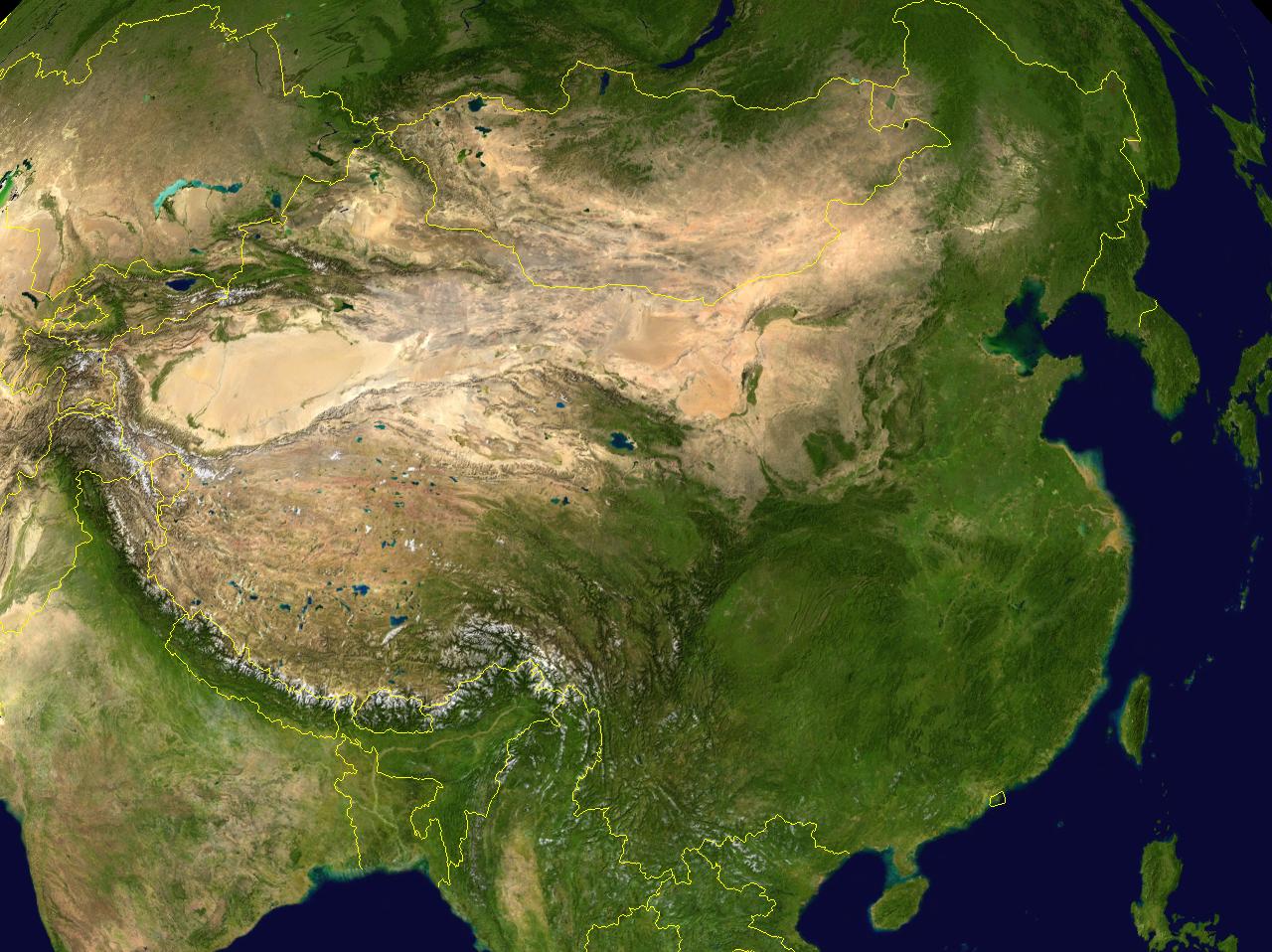
Geography here defies singularity: the arid expanse of the Gobi Desert in the north contrasts sharply with Yunnan’s steamy tropical rainforests in the south. The west rises into the Tibetan Plateau, the 'Roof of the World,' guarded by the Himalayas, while the eastern seaboard offers fertile plains and a coastline that has fueled trade for millennia. Culturally, the backbone holds fast to harmony, family bonds, and ancestor reverence, creating a social fabric where collective stability often outweighs individual expression.
Did You Know?
- The Grand Canal remains the world's longest artificial waterway, linking Beijing to Hangzhou after 2,500 years of continuous use.
- Once hunted to the brink, China's national animal—the giant panda—has bounced back from near extinction through rigorous conservation.
- As the global steel titan, China produces more than half of the world's total supply.
- Five of the planet's ten highest peaks, including Mount Everest on the Nepal border, rise within or along its borders.
Origins and International Collaboration
The Language Atlas of China emerged from a significant cross-border scholarly partnership between the Australian Academy of the Humanities and the Chinese Academy of Social Sciences. First released in two parts by Hong Kong Longman Publishing Company during 1987 and 1989, this pioneering work was simultaneously published in both original Chinese and English translation to ensure global accessibility. The project aimed to comprehensively map the complex linguistic landscape of the nation, covering not only the numerous varieties of Chinese but also the diverse languages spoken by ethnic minorities. This joint venture received high acclaim from experts like Endymion Wilkinson, who described it as an outstanding achievement in historical linguistics and geography. By bridging academic institutions across different continents, the atlas set a precedent for international cooperation in documenting China's rich cultural heritage, making detailed linguistic data available to researchers worldwide long before digital mapping became commonplace.
Hierarchical Classification System
A defining feature of the atlas is its rigorous organizational structure, which categorizes Chinese varieties into a multi-tiered hierarchy based on the foundational research of Li Rong. The system begins with broad supergroups, such as Mandarin and Min, which are then subdivided into specific groups like Jin, Wu, Hui, Xiang, Gan, Hakka, Yue, and Pinghua. These groups further break down into subgroups, clusters, and finally local dialects representing specific surveyed localities. This granular approach allows for a precise understanding of linguistic relationships and geographical distribution across the country. By distinguishing between major macro-groups and minute local variations, the atlas provides a clear framework for analyzing how language evolves in different regions. This structured methodology transforms a chaotic array of spoken forms into an orderly scientific classification, enabling linguists to trace historical developments and regional influences with unprecedented clarity.
Comprehensive Cartographic Content
The physical presentation of the first edition is as impressive as its data, featuring thirty-six large, colored maps printed on loose white sheets measuring approximately fifteen by twenty inches. Each map is paired with a corresponding blue sheet containing detailed explanatory notes to guide interpretation. The content is systematically divided into three main sections: general overviews of languages and minorities, specific dialect maps covering regions from Northeastern China to overseas communities in Southeast Asia, and dedicated maps for minority languages ranging from Mongolian and Turkic groups to Tibeto-Burman families. This extensive visual documentation covers every corner of the country, including special focus on autonomous regions like Guangxi and Yunnan. The inclusion of maps detailing language distribution in specific provinces ensures that even remote linguistic communities are represented, offering a complete geographical snapshot of China's verbal diversity at the time of publication.
Expansion in the Second Edition
Following the success of the initial release, work began on a revised edition in 2002, culminating in a substantial update published by the Commercial Press in 2012. This second iteration was produced through a new collaboration between the Chinese Academy of Social Sciences and the City University of Hong Kong, resulting in two distinct volumes dedicated to Chinese varieties and minority languages respectively. While maintaining the original structural logic, the revision significantly expanded the scope of the project, increasing the total number of maps from thirty-six to seventy-nine. Furthermore, the explanatory text was greatly enlarged to provide deeper context, and the coverage of ethnic minority languages grew dramatically from eighty-one to one hundred thirty distinct languages. This updated edition reflects decades of new research and demographic changes, ensuring that the atlas remains a vital, evolving resource for understanding the dynamic linguistic reality of modern China.
Gallery