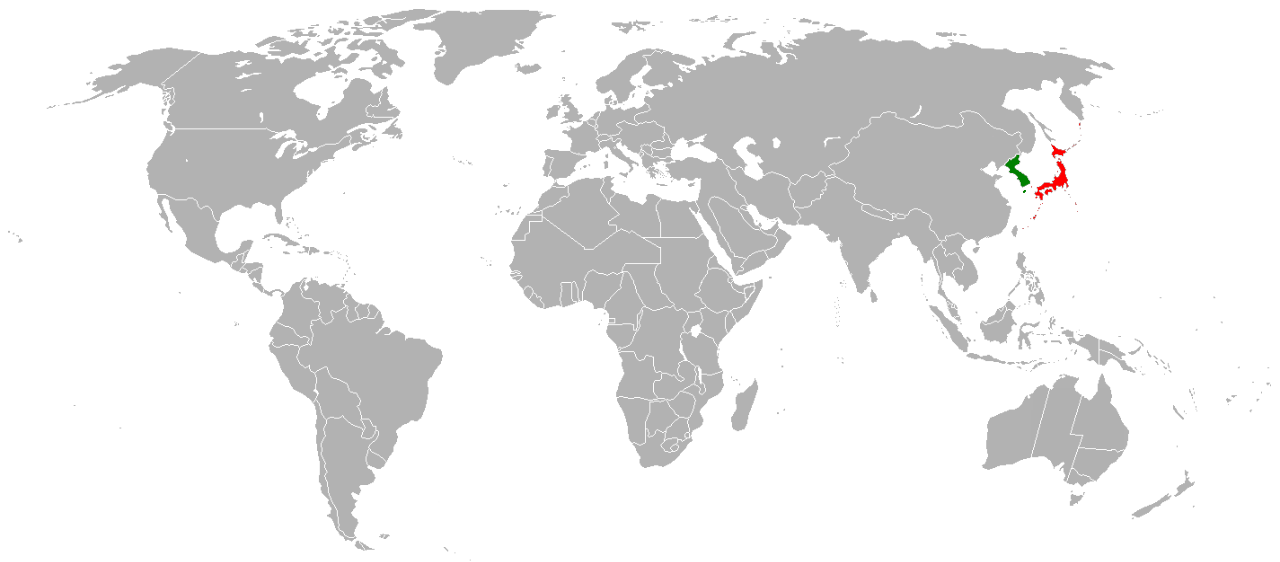
Japan
A land where ancient shrines stand beside neon skylines and quiet cherry blossoms bloom.
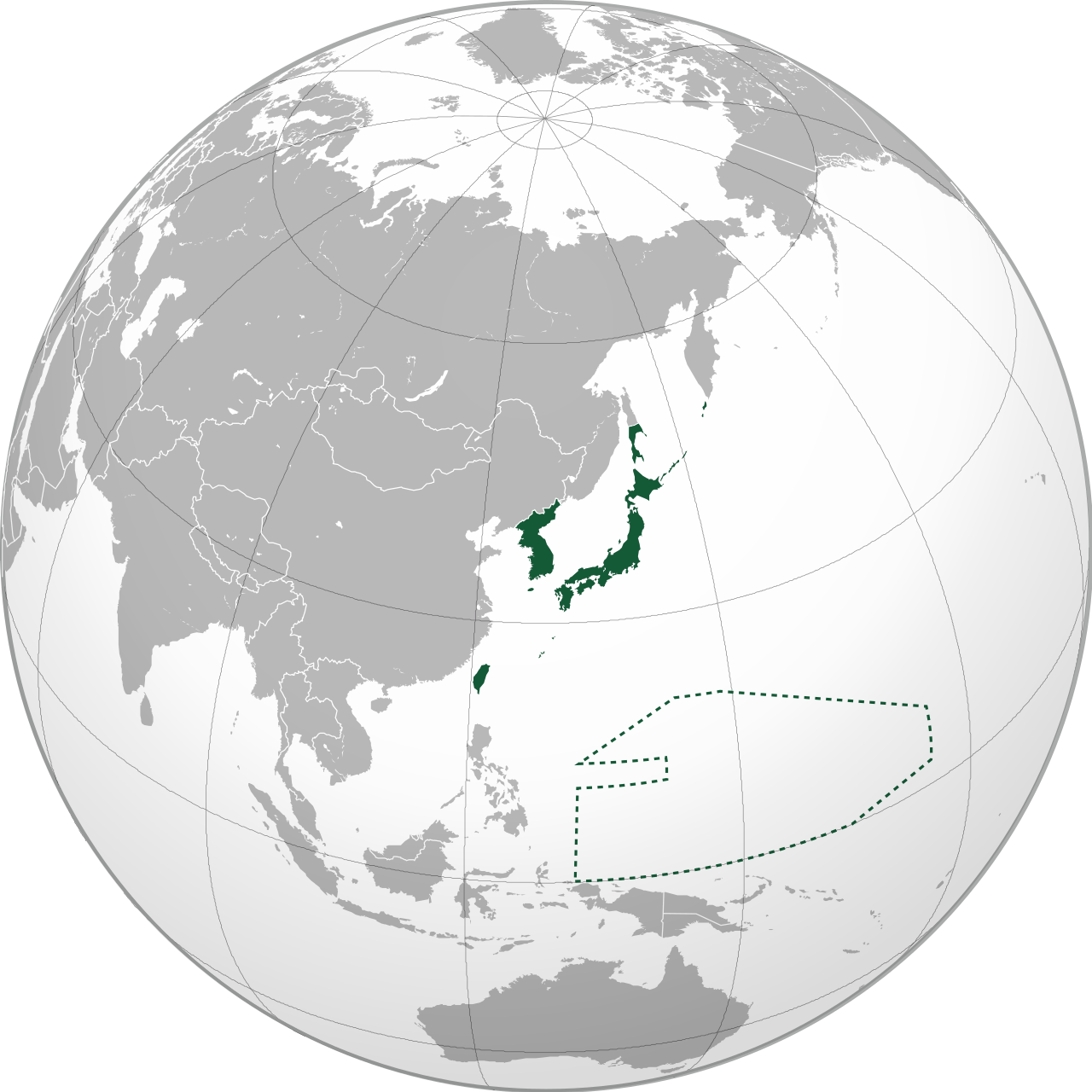
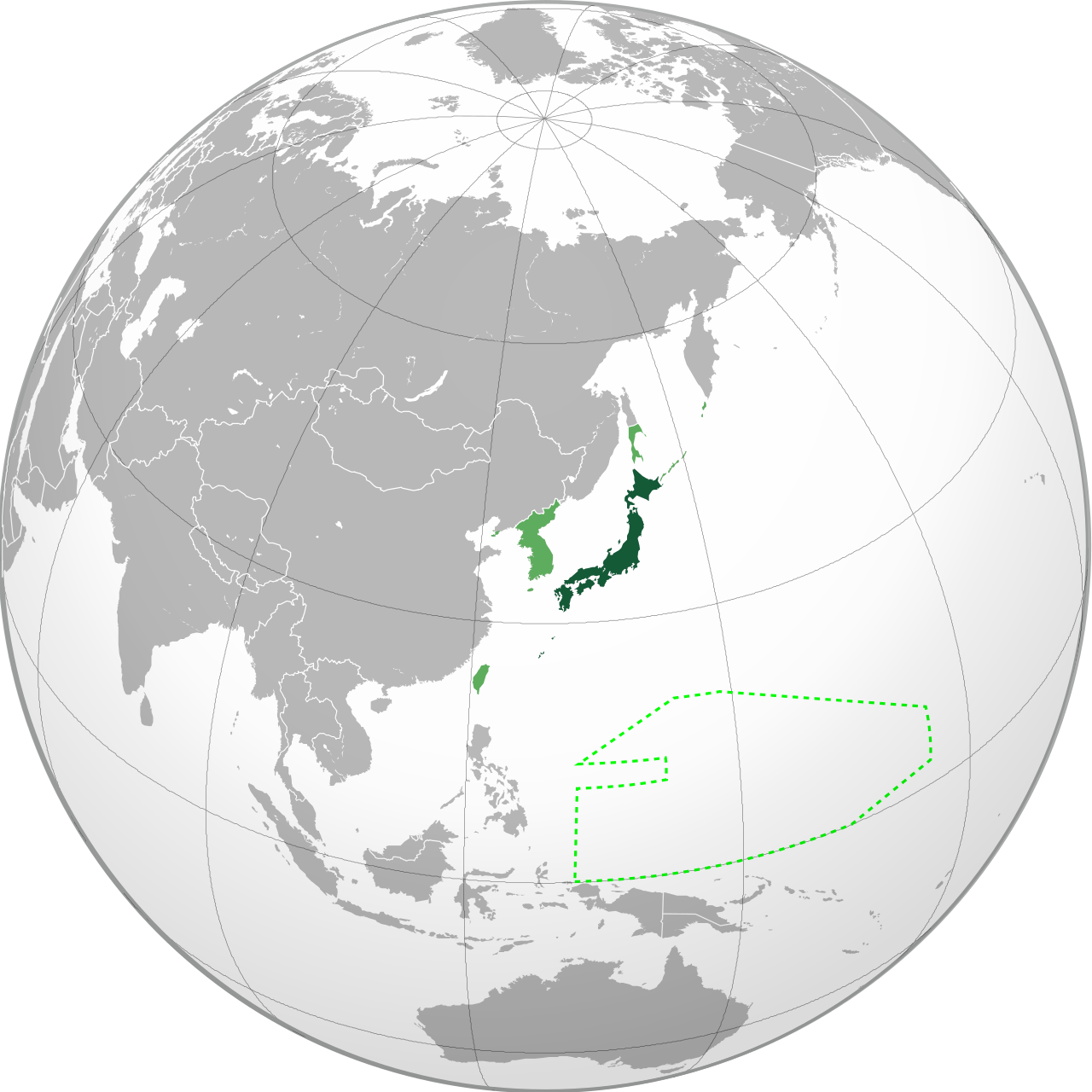
Japan is an island nation located in East Asia, renowned for its unique synthesis of ancient tradition and hyper-modern innovation. Comprising four main islands and thousands of smaller ones, the archipelago has served as a cultural crossroads while maintaining distinct national identity throughout centuries of isolation and rapid globalization.
As a global economic powerhouse and technological leader, Japan influences art, cuisine, and industry worldwide. Its society is characterized by deep respect for heritage, precision in craftsmanship, and a harmonious balance between the natural world and urban development.
- Capital
- Tokyo
- Region
- Eastern Asia
- Languages
- Japanese
- Currency
- Japanese yen
- Area
- 377,930 km²
- Language
- Japanese
- Government Type
- Constitutional Monarchy
- Main Islands
- Honshu, Hokkaido, Kyushu, Shikoku
Lore & Background
Japan's history is defined by periods of intense isolation followed by rapid modernization. For centuries, the feudal shogunates ruled while limiting foreign contact during the Edo period. The Meiji Restoration in the late 19th century abruptly opened the nation to Western influence, sparking industrial growth and military expansion. Following World War II, the country rebuilt itself into a democratic society focused on economic recovery, achieving remarkable status as one of the world's largest economies.
Culturally, Japan preserves practices dating back millennia alongside contemporary pop culture phenomena. Shintoism, an indigenous animistic faith, coexists with Buddhism, shaping rituals around life cycles and nature worship. The post-war era birthed global icons in animation, video games, and automotive engineering, creating a soft power that rivals its historical martial reputation.
In Their Own Story
Rain slicked the pavement of Akihabara, reflecting the electric glow of arcade signs. An elderly man in a grey kimono paused beneath a torii gate tucked between skyscrapers, ringing a small brass bell. The sound cut through the hum of maglev trains overhead. He bowed silently to the shrine, then disappeared into the crowd, leaving only the scent of incense and ozone hanging in the humid air.
Reader's Guide
Japan is an archipelago in East Asia, anchored by four main islands: Honshu, Hokkaido, Kyushu, and Shikoku. The landscape is a dramatic tapestry of rugged volcanic mountains and deep valleys, punctuated by the snow-capped silhouette of Mount Fuji. Frequent seismic activity shapes both the terrain and the nation's resilient architecture. Historically, the country navigated centuries of feudal shogunate rule before the Meiji Restoration catapulted it into rapid industrialization. Following the devastation of World War II, Japan engineered a miraculous economic recovery, evolving from a war-torn nation into a global titan of technology, manufacturing, and design.
Culturally, the nation thrives on a unique duality: centuries-old Shinto shrines and Buddhist temples sit in the shadow of glass-and-steel metropolises like Tokyo and Osaka. Visitors witness this harmony through intimate tea ceremonies, disciplined martial arts, and vibrant seasonal festivals that honor cherry blossoms (sakura) or fiery autumn foliage. The cuisine, a delicate balance of fresh ingredients and artistic presentation, is recognized globally as a UNESCO Intangible Cultural Heritage.
Key landmarks range from the endless vermilion torii gates of Fushimi Inari in Kyoto to the historic wooden machiya districts and the electric, neon-drenched chaos of Shibuya's crossing. Despite its dense urban centers, pockets of serene nature remain just hours away, offering a retreat into moss-covered forests and hot springs (onsen).
Did You Know?
- Japan has approximately one vending machine for every 25 people, selling everything from hot coffee to umbrellas.
- The oldest company in the world, Kongo Gumi, was a construction firm founded in 578 AD and operated until 2006.
- Trains in Japan are famously punctual, with average delays often measured in seconds rather than minutes.
Origins and Early Generations
The Nissan Atlas series debuted in December 1981 through Nissan Bluebird Store locations, establishing a new lineage for commercial vehicles. This launch replaced previous models like the Homer and Cabstar in lighter categories, while heavier duties shifted from the Caball and Clipper lines. Manufacturing was handled by UD Trucks for domestic sales, with early generations split into the F22 light series and H40 heavy range. Powertrain options were diverse during this initial phase, offering petrol units such as the Z16 and Z20 alongside various diesel configurations including the TD27 and turbodiesel FD35T. In European markets, particularly the United Kingdom, the vehicle gained significant traction known as the Cabstar. It competed effectively against established rivals like the Ford Transit due to its reliability and payload capacity, eventually leading many early UK models to be exported to Africa after their domestic service life ended.
Global Market Variations and Rebadging
Globally, the Atlas identity was fluid, appearing under numerous manufacturer badges depending on regional partnerships. In Europe, it shared production lines with the Renault Maxity as part of the Alliance strategy. Australia saw local assembly using many indigenous components between 1984 and 1992, succeeding the earlier Caball model there. South Korea presented a unique challenge; the vehicle was locally produced by Samsung as the SV110 and later Yamuzin starting in 1998. However, this venture struggled because local drivers frequently overloaded vehicles beyond the truck's structural limits, unlike competitors such as the Kia Bongo. Consequently, Samsung discontinued its commercial vehicle lineup in 2000 following bankruptcy. Other regions saw distinct branding as well, with India utilizing the chassis for Ashok Leyland Partner and Garuda variants, while Taiwan continued selling earlier generations under the Yue Loong Homer nameplate long after other markets moved on.
Technical Evolution and Platform Sharing
Technical evolution saw significant platform sharing in later generations to maintain competitiveness. The H42 model introduced in 1995 was essentially a rebadged Isuzu Elf truck sold until 2007. Subsequent iterations like the F24 and H43 continued this trend, with production transferring from UD Trucks to Nissan Shatai by January 2011. The H43 was also marketed as the UD Condor for light-duty applications. Engine technology varied widely across regions; for instance, North American models utilized a Hino J05D-TF engine provided for Nissan under the MD-175 designation. In Europe, post-2007 versions employed YD25DDTi and ZD30DDTi turbo diesel engines producing between 110 and 150 horsepower. By the time of the H44 generation, the underlying basis shifted again from Isuzu to the Mitsubishi Fuso Canter.
Production Conclusion and Legacy
The final chapter of domestic manufacturing concluded in June 2021 when sales of the F24 Atlas halted. This decision was driven by regulatory changes, as the vehicle failed to meet updated 2018 emissions standards required to qualify for specific tax incentives. While this marked the cessation of Nissan's own truck production within Japan, the brand nameplate persisted through original equipment manufacturer agreements with Isuzu and Mitsubishi. The F25 model served as a rebadged fifth-generation Isuzu Elf from 2019 until 2023, followed by the release of the F26 in September 2023 based on the seventh-generation Elf. Despite the end of internal manufacturing, the vehicle remained available globally through these partnerships and imports, such as fully imported units sold in Malaysia by Combine Motor Sdn Bhd starting in 2016.
Gallery