Israel
A land of ancient prophets and modern innovation where history breathes in every stone.
Compact in territory but colossal in historical weight, Israel sits where Europe, Asia, and Africa converge. It serves as the modern homeland for the Jewish people while anchoring sacred traditions for billions of Christians and Muslims. Its identity is forged from a dense layering of ancient heritage, cutting-edge technology, and enduring geopolitical stakes.
- Capital
- Jerusalem (claimed by Israel; status disputed and not universally recognized)
- Area
- 20,770 km² (including territories under Israeli control; figures vary based on recognition of borders)
Lore & Background
While Jerusalem anchors the faiths, the entire region pulses with spiritual intensity. The Western Wall, Church of the Holy Sepulchre, and Dome of the Rock stand in close proximity, creating a skyline where divinity is visible from every angle. This proximity fosters a complex reality: neighborhoods function as sanctuaries for prayer while simultaneously serving as flashpoints for modern conflict, blending daily life with ancient reverence.
In Their Own Story
The morning sun rises over the Judean Hills, casting long shadows across the terraced olive groves that have been tended by generations of hands. In a small café in Jaffa, the scent of cardamom coffee mingles with the salt air from the Mediterranean, while nearby, the call to prayer echoes alongside the ringing of church bells. A young archaeologist brushes dust from a pottery shard unearthed just steps away from a sleek glass skyscraper, bridging three thousand years in a single breath. Here, the past does not sleep; it walks the streets, whispering stories of empires and exiles to those who pause to listen.
Reader's Guide
Israel’s geography shifts dramatically from the snow-dusted slopes of Mount Hermon to the scorched silence of the Negev Desert. The Mediterranean coast pulses with the energy of Tel Aviv, a city famous for its Bauhaus skyline and electric nightlife, contrasting sharply with the interior’s historic trade routes. To the south, the Dead Sea lies 1,400 feet below sea level, offering surreal buoyancy in mineral-heavy waters that have captivated travelers since antiquity.
Culturally, Israel blends Jewish traditions from across the diaspora with Arab heritage and secular modernity. Known for its high density of technological innovation, it balances a 'Startup Nation' reputation with deep religious observance and communal agriculture through kibbutz life. The culinary landscape mirrors this mix, fusing Middle Eastern staples like hummus and falafel with European and North African techniques.
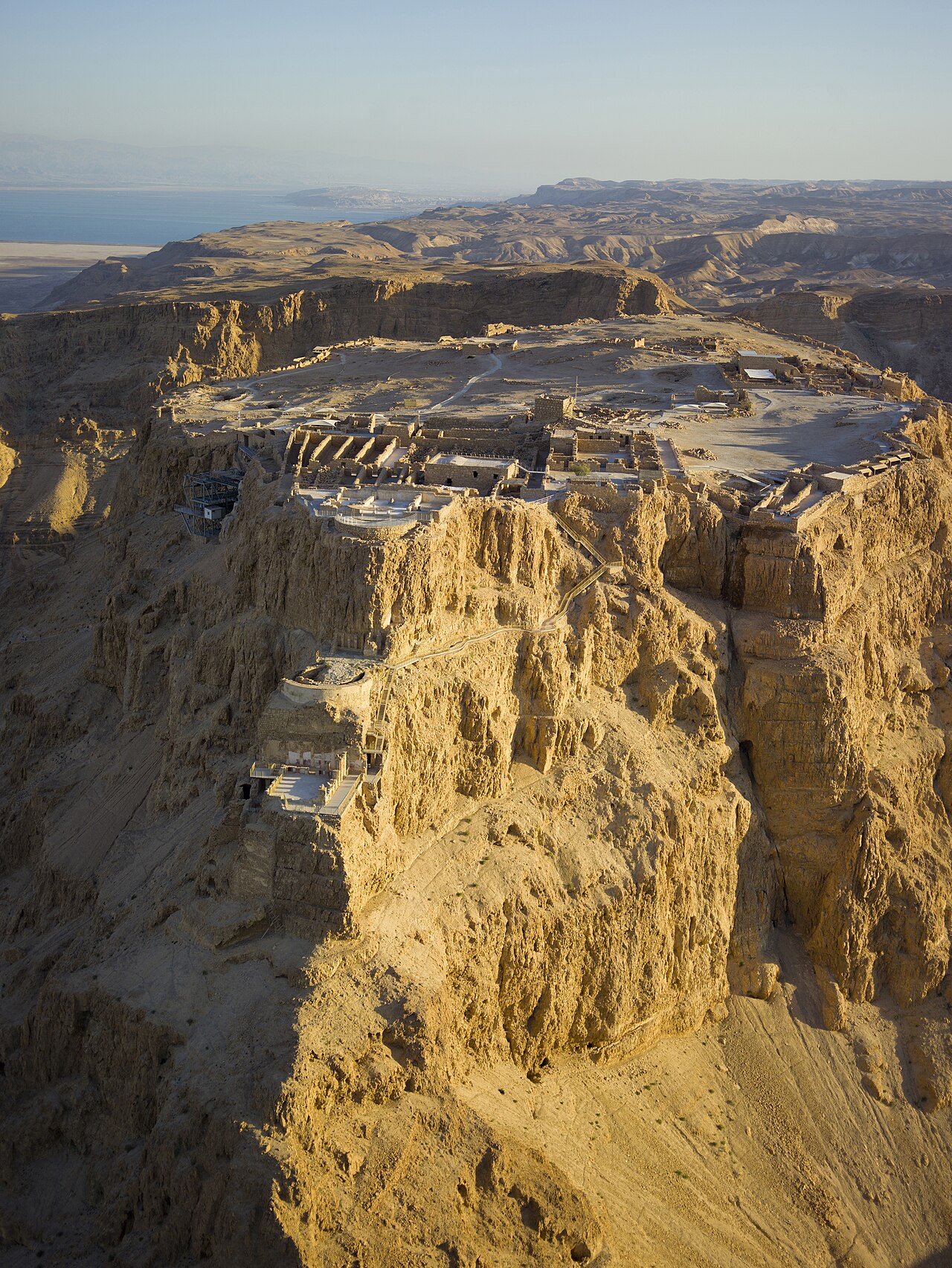
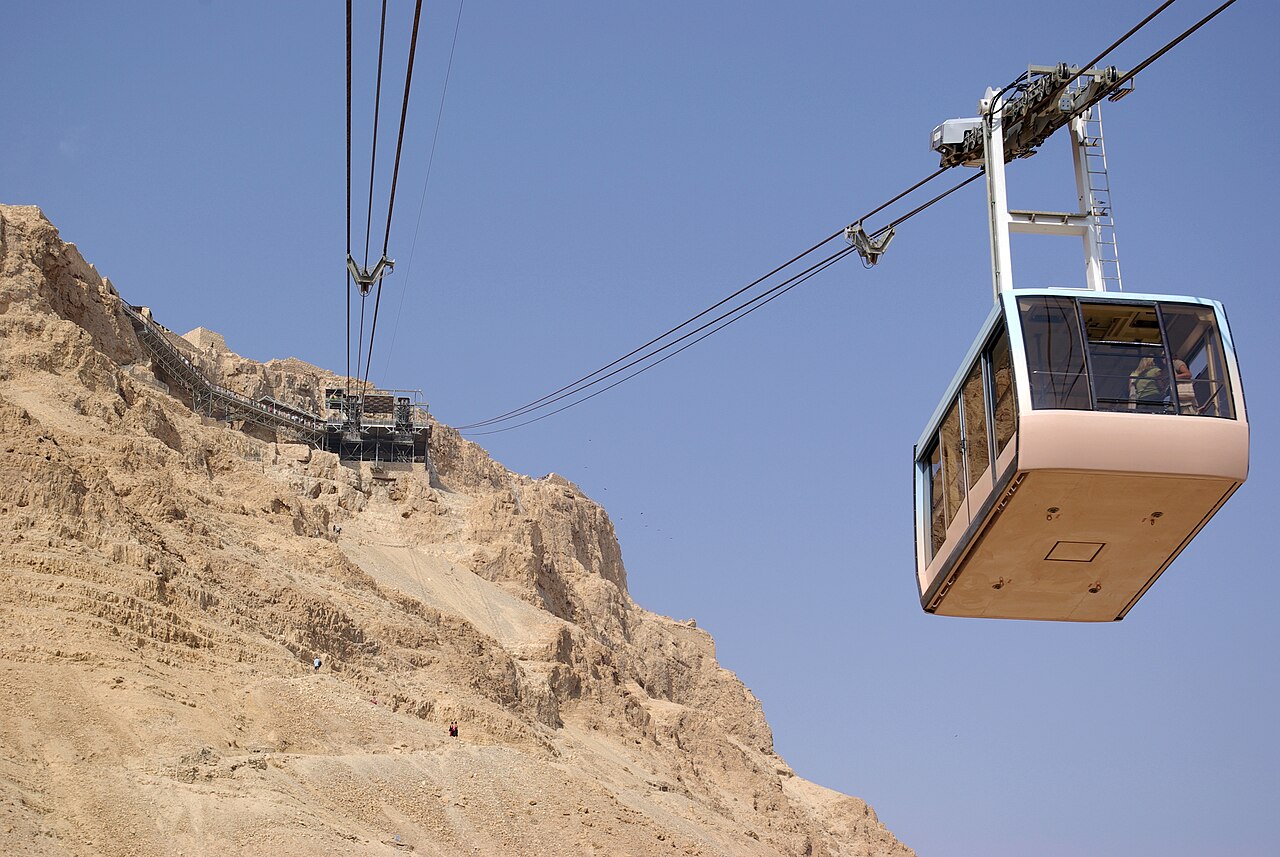
Historically, the land remains a contested crossroads, leaving a legacy defined by resilience amid conflict. Essential stops include the labyrinthine Old City of Jerusalem, the desert fortress of Masada, and the Roman ruins at Caesarea. Despite its small size, Israel’s impact on global history, religion, and science remains outsized.
Did You Know?
- Israel maintains one of the few positive net migration rates globally despite regional instability.
- The nation leads the world in water recycling, treating nearly 90% of wastewater for agricultural irrigation.
- Hebrew stands as a unique linguistic feat, successfully revived from liturgical use to a native spoken language after centuries of dormancy.
- Dead Sea salinity is so extreme that human bodies naturally float on its surface.
Geography and Strategic Location
Situated in the Southern Levant of West Asia, the State of Israel occupies a pivotal geographic position bordered by Lebanon, Syria, Jordan, and Egypt. Its diverse topography ranges from the Mediterranean coastline to the arid southern tip reaching the Red Sea, while the east hosts the Dead Sea, Earth's lowest terrestrial point. This strategic location has historically placed it at continental crossroads, influencing its demographic shifts under various empires. Jerusalem serves as the proclaimed capital and seat of government, whereas Tel Aviv functions as the nation's primary economic hub and largest urban center. The country's physical boundaries have evolved significantly through conflict and diplomacy; following the 1948 war, armistice lines expanded its territory beyond initial United Nations partition plans. Later conflicts, particularly the Six-Day War in 1967, resulted in the occupation of the West Bank, Gaza Strip, Sinai Peninsula, and Golan Heights. While peace treaties with Egypt and Jordan led to the return of Sinai and normalization of borders, the status of occupied territories remains a central point of international contention and ongoing geopolitical friction.
Historical Origins and State Formation
The region known as the Land of Israel or Palestine has deep historical roots, serving as home to ancient Canaanites before the emergence of the kingdoms of Israel and Judah. Archaeological evidence, such as the Merneptah Stele from the late 13th century BCE, provides some of the earliest references to 'Israel' as a collective entity. The modern state's genesis is inextricably linked to the Zionist movement, which arose in response to 19th-century European antisemitism and sought a Jewish homeland. This aspiration gained international traction with the 1917 Balfour Declaration and subsequent British administration of Mandatory Palestine. Tensions between Arab populations and increasing Jewish immigration escalated into civil war following the 1947 UN Partition Plan. On May 14, 1948, Israel declared independence as the British Mandate concluded, immediately triggering an invasion by neighboring Arab states. The resulting conflict reshaped demographics profoundly; most Palestinian Arabs fled or were expelled in events known as the Nakba, while a simultaneous exodus of Jews from Arab nations occurred, with many resettling in the new state.
Political Structure and Economic Power
Israel operates under a parliamentary democracy defined by its Basic Laws, which establish the Knesset as a proportionally elected legislature. This body is responsible for shaping the government led by the prime minister and electing a largely ceremonial president. Despite regional instability, Israel has cultivated one of the Middle East's most robust economies, boasting high living standards comparable to leading Asian nations. It ranks highly globally in nominal GDP per capita and distinguishes itself as a technological powerhouse, allocating a larger share of its economy to research and development than any other state. This innovation-driven model supports a sophisticated industrial base and has led to the belief that Israel possesses nuclear weapons capabilities. Culturally, the nation is unique for reviving Hebrew as an official spoken language after centuries of dormancy. The societal fabric blends traditional Jewish customs with Arab influences, creating a distinct national identity that navigates complex internal and external dynamics while maintaining significant economic resilience.
Conflict, Occupation, and International Relations
The trajectory of Israel's history is marked by persistent conflict and evolving diplomatic efforts. Following the 1967 war, Israel occupied territories including East Jerusalem, which it annexed, alongside the West Bank and Gaza Strip. While peace treaties were eventually signed with Egypt in 1979 and Jordan in 1994, leading to the return of the Sinai Peninsula, the core Israeli-Palestinian conflict remains unresolved. The Oslo Accords of 1993 introduced limited Palestinian self-rule, yet disputes over settlements and governance continue. International criticism has intensified regarding Israel's control of Palestinian territories, with many experts characterizing the treatment of Palestinians as a system of apartheid. Tensions reached a critical peak following Hamas-led attacks on October 7, leading to military operations in Gaza that have been described by some as genocide, though Israel and its allies vehemently deny these accusations. More recently, the Abraham Accords of 2020 normalized relations with several Arab states, signaling a shift in regional alliances even as the humanitarian situation in occupied territories draws global scrutiny.
Gallery