Fiji
A tropical paradise where ancient traditions meet the rhythm of the Pacific waves.
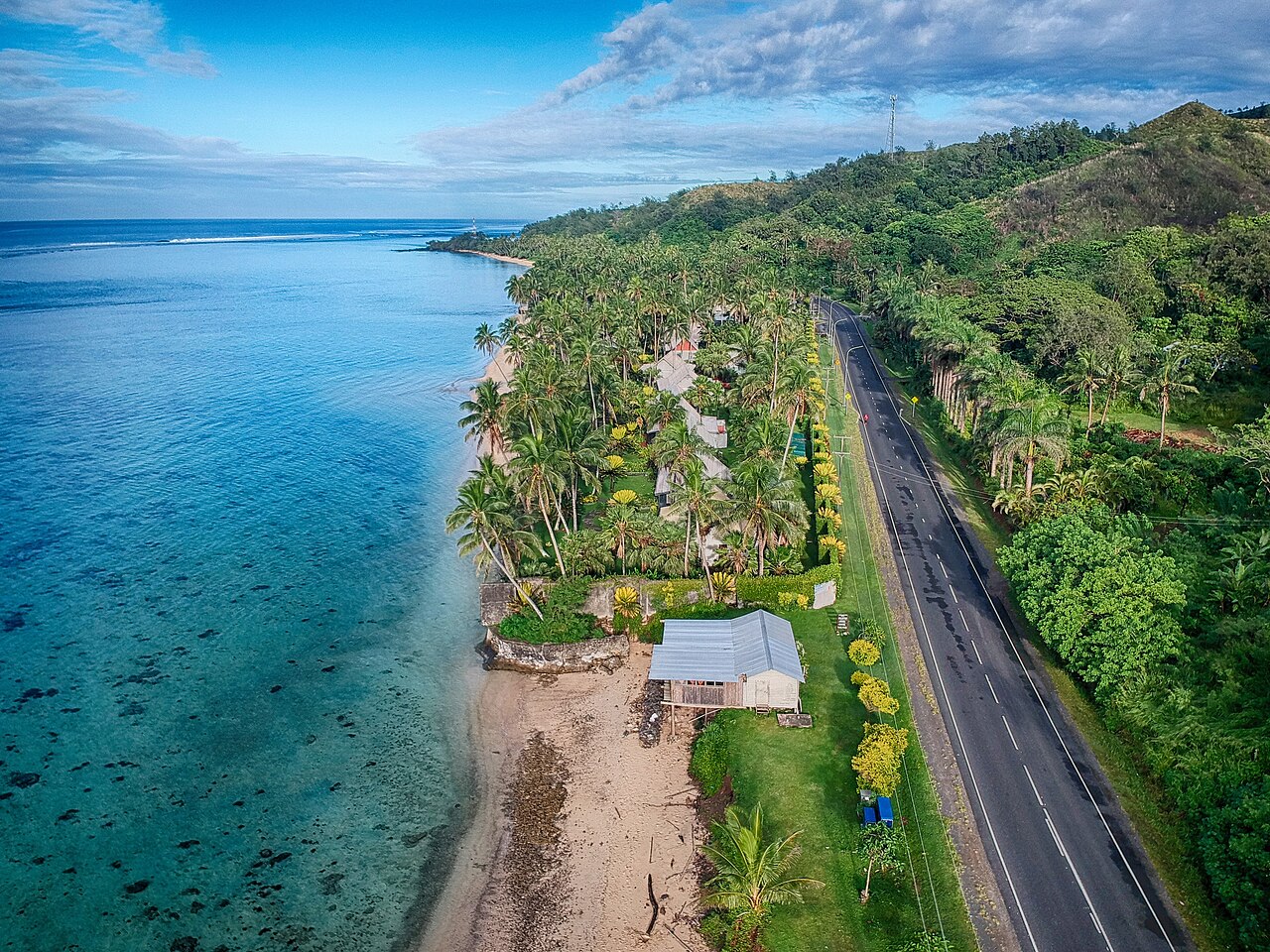
Fiji is a sovereign island nation located in the South Pacific Ocean, renowned for its lush tropical landscapes, vibrant coral reefs, and warm hospitality. As a hub of Melanesian culture with significant Fijian Indian influences, it serves as a vital economic and cultural center within Oceania. The archipelago acts as a bridge between Polynesia and Melanesia, offering a unique blend of indigenous traditions and colonial history.
- Capital
- Suva
- Region
- Melanesia
- Languages
- English, Fijian, Fiji Hindi
- Currency
- Fijian dollar
- Area
- 18,272 km²
- Subregion
- Melanesia
- Official Languages
- English, Fijian, Hindi
Lore & Background
Post-independence in 1970, Fiji experienced political turbulence marked by several coups driven by ethnic tensions between indigenous Fijians and Indo-Fijians. Despite these challenges, the nation has maintained its status as a democracy with regular elections and remains a prominent voice in Pacific regional politics. Today, it is celebrated globally for its resilience, environmental stewardship of its marine ecosystems, and its role as a premier destination for sustainable tourism.
In Their Own Story
Morning mist clings to the emerald spine of Taveuni as dawn fractures over the coral atolls. In a quiet village on Viti Levu, the rhythmic thud of kava roots being pounded in a wooden tanoa sets the tempo for the day. Elders sit cross-legged on woven mats, weaving tales of ancestors who navigated these star-charted waters, while children chase frigate birds near turquoise shallows where sea turtles glide like living shadows. The air hangs heavy with the scent of frangipani and salt spray as a traditional meke begins—drums beating in time with an island that has survived storms, empires, and the shifting tides of history.
Reader's Guide
Fiji is a scattered archipelago of over 300 islands, where only about one-third bear human footprints. The twin giants, Viti Levu and Vanua Levu, rise from the sea with rugged highlands and dense rainforests that spill into fertile coastal plains. Here, the tropical maritime climate breathes life into a landscape defined by warm currents and a distinct wet season that turns emerald canopies into cascading waterfalls.
Culturally, Fiji is a living fusion: indigenous Fijian customs dance alongside Indian traditions carried across the ocean by 19th-century indentured laborers. This blend flavors every bite—from fresh grilled fish to coconut-infused curries and earthy taro or cassava. To say 'Bula' is to do more than greet; it is an invitation into a philosophy of warmth, community, and shared spirit that defines the nation.
Beyond the postcard sunsets lie the Sabeto Hot Springs, the Great Astrolabe Reef (a diver's paradise), and the colonial echoes of Suva. But Fiji's true power lies in its 'soft diplomacy' and fierce guardianship of marine life through locally managed sanctuaries. It is a place where ancient rituals hold as much sway as modern progress, creating a unique Pacific jewel that refuses to be forgotten.
Did You Know?
- Fiji is home to one of the world's largest coral reefs, the Great Astrolabe Reef, which offers some of the best diving experiences globally.
- The national drink, kava (yaqona), is made from the root of the kava plant (Piper methysticum) and plays a central role in social and ceremonial gatherings.
- Fiji maintains a standing military force known as the Republic of Fiji Military Forces (RFMF), established in 1970, which focuses on peacekeeping operations abroad and domestic disaster relief.
- While home to the globally recognized brand Fiji Water, the nation does not produce more than half of the world's bottled water, though it remains a significant exporter of premium spring water.
Geography and Settlement Patterns
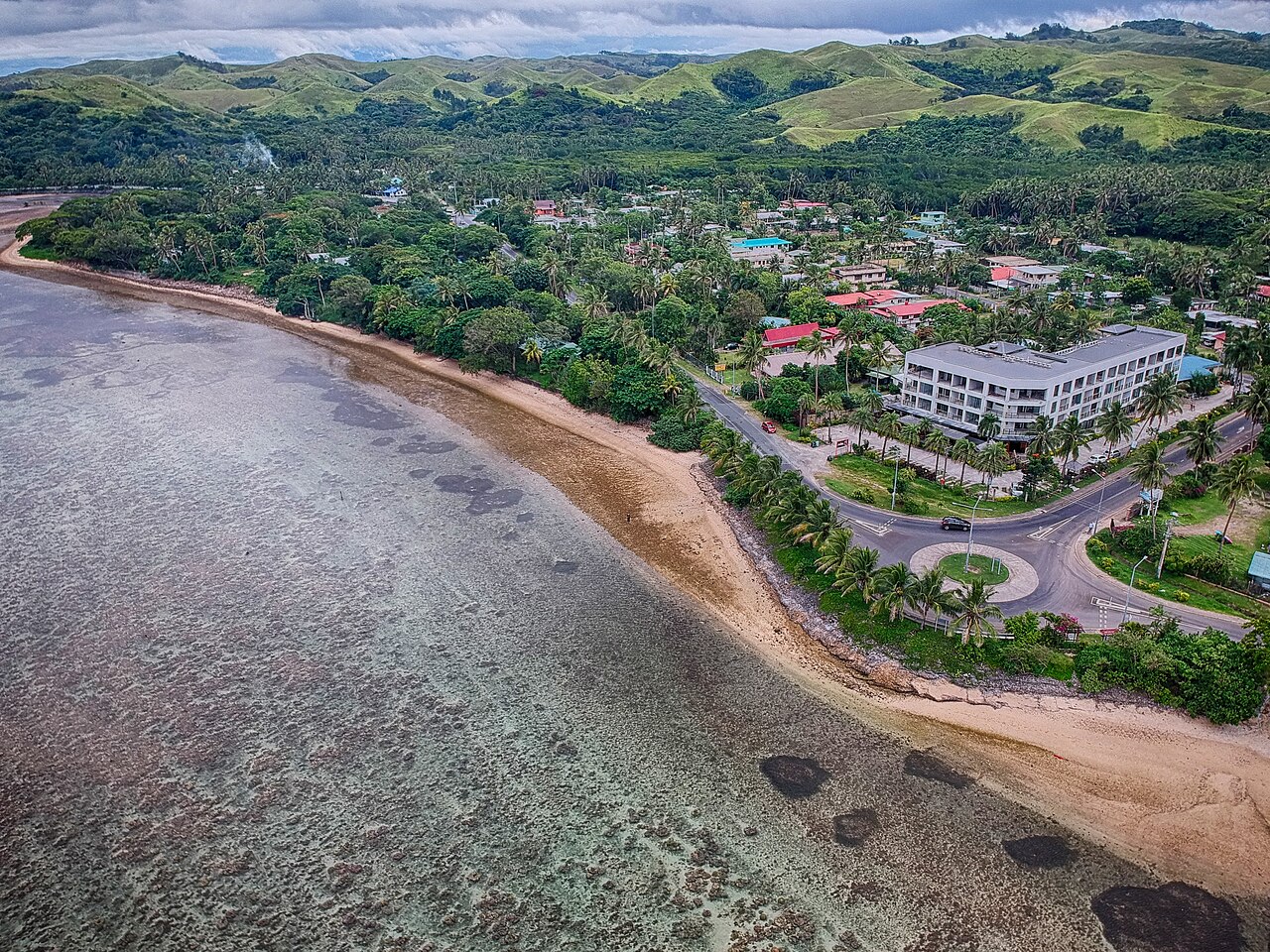
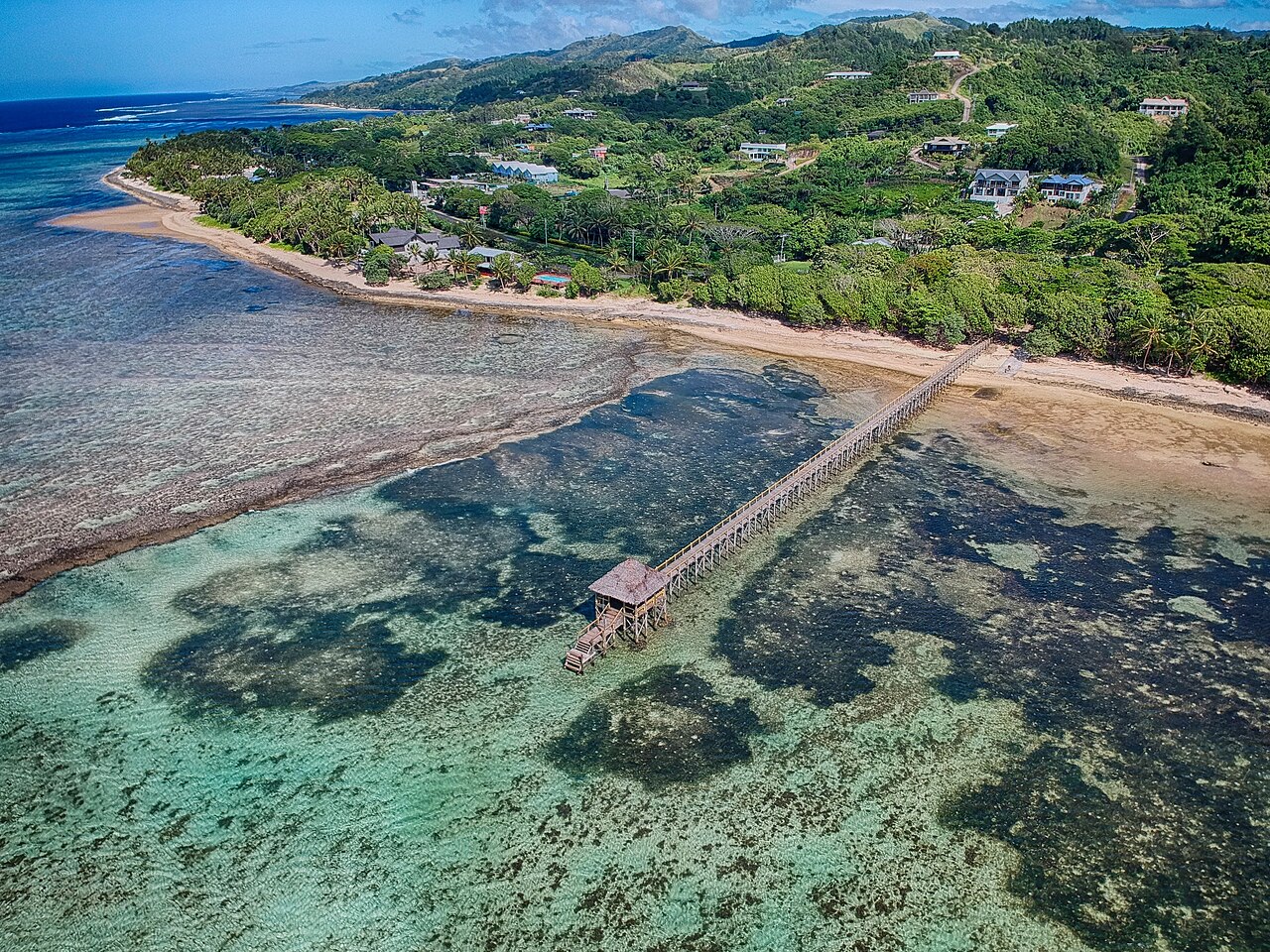
Fiji is an archipelagic nation located in Melanesia within the South Pacific Ocean, situated roughly 1,100 nautical miles north-northeast of New Zealand. The country comprises more than 330 islands and over 500 islets, creating a total land area of approximately 18,300 square kilometres. While the entire chain spans a vast region with Ono-i-Lau as its most remote group, only about 110 islands are permanently inhabited. The population distribution is heavily concentrated, with roughly 87% of residents living on the two largest landmasses: Viti Levu and Vanua Levu. Within Viti Levu, approximately three-quarters of the inhabitants reside along the coastlines in urban centers like the capital Suva, the tourism hub Nadi, or the sugar-cane dominant Lautoka. In contrast, the island's interior remains sparsely populated due to challenging terrain, highlighting a clear divide between coastal development and rugged inland landscapes.
Geological Origins and Resources
The geological foundation of Fiji dates back approximately 150 million years, with most islands formed through ancient volcanic activity. While active volcanism has ceased in many areas, geothermal activity persists today on Vanua Levu and Taveuni. Interestingly, the geothermal systems found on Viti Levu are non-volcanic in origin, characterized by low-temperature surface discharges ranging between 35 and 60 degrees Celsius. Beyond its geological history, Fiji possesses one of the most developed economies in the Pacific region, leveraging abundant natural assets including forests, minerals, and fish stocks. The economy relies heavily on foreign exchange generated through tourism, remittances from workers abroad, bottled water exports, and the sugar-cane industry. These resources are managed under a local government structure supervised by the Ministry of Local Government and Urban Development.
Political Evolution and Governance
Fiji's political history is marked by significant transitions from indigenous kingdoms to colonial rule and modern republicanism. Europeans first arrived in the 17th century, leading to British colonization in 1874 after a brief period as an independent kingdom. The nation operated as a Crown colony until gaining independence in 1970 as the Dominion of Fiji. However, political stability was disrupted by military coups in 1987 and again in 2006, when Commodore Frank Bainimarama seized power. Following a 2009 High Court ruling that declared the military leadership unlawful, President Ratu Josefa Iloilo abrogated the 1997 Constitution before being succeeded by Ratu Epeli Nailatikau. After years of delays, credible democratic elections were finally held in September 2014, resulting in a victory for Bainimarama's FijiFirst party with over 59% of the vote.
Ancient Culture and Early Society
Human settlement in Fiji began as early as the second millennium BC, initiated by Austronesian peoples followed later by Melanesians, with some Polynesian influences. Archaeological evidence from sites like Moturiki Island suggests habitation dating back to at least 600 BC. These early societies developed sophisticated cultural practices, including the construction of large sailing vessels known as drua and distinctive village architecture featuring communal bure housing and defensive ramparts. Daily life was supported by advanced agricultural systems, such as banana plantations, and water management via wooden aqueducts. Socially, communities were led by chiefs and spiritual figures called bete, who oversaw ceremonies involving yaqona consumption. The society also utilized a unique monetary system based on polished sperm whale teeth known as tambua and produced refined masi cloth for sails and clothing.
Gallery